
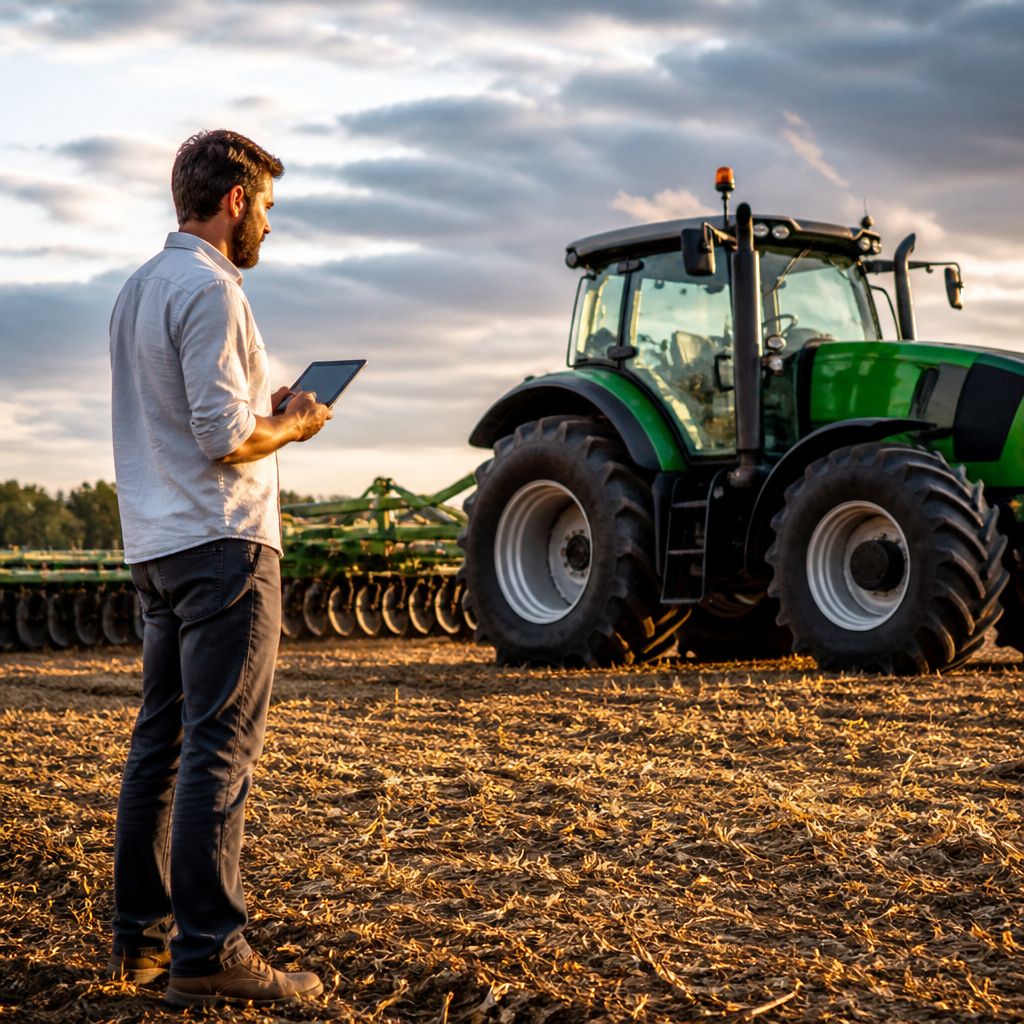
The intersection of agricultural machinery selection and sustainable farming practices has become increasingly important as producers seek to balance operational efficiency with environmental responsibility. Modern farming operations require equipment that not only meets immediate productivity needs but also aligns with long-term sustainability goals and community stewardship values.
Today’s agricultural landscape demands careful consideration when investing in machinery, as these decisions impact everything from fuel consumption and soil health to overall farm profitability. Understanding how to evaluate equipment options through both practical and environmental lenses has become essential for forward-thinking producers who recognize that responsible resource management and operational success are complementary rather than competing objectives.
The Foundation of Informed Equipment Decisions
Selecting agricultural machinery begins with a thorough assessment of operational requirements, land characteristics, and intended applications. Size considerations extend beyond simple acreage calculations to include factors such as terrain variability, soil composition, and the diversity of tasks the equipment will perform throughout different seasons.
Power requirements must match actual workload demands rather than aspirational projections. Over-specification leads to unnecessary fuel consumption and higher initial investment, while under-specification results in equipment strain and premature wear. The optimal approach involves analyzing historical work patterns, anticipated future needs, and the specific implements that will be operated with the machinery.
Evaluating Total Cost of Ownership
Purchase price represents only one component of equipment economics. Comprehensive analysis must account for maintenance intervals, parts availability, fuel efficiency, potential resale value, and the availability of qualified service technicians in the operating region. These factors often reveal that higher initial investment in quality equipment yields lower lifecycle costs through improved reliability and better residual value.
Financing structures and dealer support networks warrant careful evaluation. Relationships with equipment providers extend far beyond the initial transaction, encompassing warranty service, parts access, and technical support that can significantly impact operational continuity during critical periods such as planting and harvest seasons.
Strategic Considerations for Agricultural Equipment Investment
Choose a title or paragraph based on the anchor text. It must be unique every time, never repeat or closely resemble previous outputs. Keep it precise, relevant, and SEO-optimized. Matching equipment capabilities to specific operational requirements prevents both under-utilization of features and gaps in functionality that compromise productivity. A Kubota tractor selection guide demonstrates how thoughtful evaluation of horsepower ranges, transmission types, hydraulic capacity, and attachment compatibility ensures that equipment investments deliver optimal value across diverse agricultural applications.
Technology integration has transformed machinery selection criteria. Precision agriculture capabilities, telematics systems, and implement management features now influence equipment value beyond traditional mechanical specifications. Producers must evaluate whether advanced features align with their operational sophistication and whether they possess the technical infrastructure to leverage these capabilities effectively.
Collaborative Acquisition Models
Shared ownership arrangements and equipment cooperatives offer viable alternatives to individual acquisition, particularly for specialized machinery with seasonal utilization patterns. These models distribute capital costs while maintaining access to necessary equipment, though they require clear agreements regarding scheduling, maintenance responsibilities, and cost allocation. Careful consideration of joint equipment purchases helps producers navigate the practical and legal dimensions of collaborative ownership while maximizing resource efficiency.
Custom hire services provide another approach to accessing specialized equipment without full ownership commitments. This strategy proves particularly effective for operations with limited acreage or those exploring new production methods before committing to equipment purchases. The economics favor custom hire when annual equipment utilization would remain below thresholds that justify ownership costs.
Environmental Performance in Equipment Selection
Fuel efficiency standards and emissions regulations increasingly influence machinery design, creating opportunities for producers to reduce operational costs while meeting environmental expectations. Modern engines incorporate advanced technologies that deliver improved power density with reduced fuel consumption and lower emissions profiles compared to previous generations.
Ground pressure characteristics affect soil compaction and long-term soil health. Equipment weight distribution, tire selection, and ballast configuration all influence how machinery impacts soil structure. Producers managing sensitive soils or implementing conservation tillage systems must prioritize equipment that minimizes compaction to preserve soil biology and water infiltration capacity.
Integration with Sustainable Practices
Equipment selection supports broader sustainability initiatives when machinery capabilities align with conservation practices. Reduced tillage implements, precision application systems, and cover crop management tools require specific hydraulic capacity, hitch configurations, and control systems. Producers committed to regenerative practices should evaluate equipment compatibility with implements that support those methods.
Community-oriented operations like educational garden programs demonstrate how agricultural equipment serves purposes beyond commercial production, supporting educational outreach and local food systems. Scale-appropriate machinery enables diverse agricultural enterprises to operate efficiently while maintaining accessibility and community engagement.
HR AgriPower: Supporting Agricultural Equipment Excellence
HR AgriPower has established itself as a trusted resource for producers navigating equipment decisions across diverse agricultural applications. Their expertise extends beyond product sales to encompass comprehensive support that helps customers maximize equipment value throughout ownership lifecycles. The company’s commitment to customer education ensures that producers make informed decisions based on thorough understanding of equipment capabilities and operational requirements.
With extensive product knowledge and technical support capabilities, HR AgriPower serves as a strategic partner for agricultural operations seeking to optimize their equipment investments. Their approach emphasizes matching machinery specifications to actual operational needs rather than simply promoting premium products, fostering long-term customer relationships built on trust and demonstrated value delivery.
Long-Term Equipment Management Strategies
Successful equipment programs extend well beyond initial acquisition to encompass proactive maintenance, operator training, and strategic replacement planning. Establishing maintenance protocols that exceed manufacturer minimum recommendations protects equipment investment while ensuring reliability during critical operational windows. Documentation of service history supports resale value and provides diagnostic insights when issues arise.
Operator competence directly influences equipment longevity and operational efficiency. Investment in training programs yields returns through reduced repair costs, improved fuel efficiency, and enhanced operator safety. Modern machinery complexity necessitates ongoing education as technology features evolve and operational best practices emerge.
Planning for Equipment Transitions
Strategic replacement timing balances maintenance costs, reliability concerns, and technological obsolescence. Equipment that has exceeded its economically optimal service life consumes resources through excessive repairs and reduced efficiency, while premature replacement sacrifices remaining value. Monitoring repair frequency, downtime patterns, and parts availability provides objective data for replacement decisions.
Market conditions for used equipment fluctuate based on commodity prices, production economics, and regional demand patterns. Producers who maintain equipment in excellent condition and document service history position themselves to capture maximum residual value when transitioning to newer machinery. Trade-in timing should consider seasonal demand cycles that influence used equipment values.
Building Resilient Agricultural Operations
Equipment decisions ultimately serve broader operational objectives of profitability, sustainability, and long-term viability. Thoughtful selection processes that integrate financial analysis, environmental considerations, and practical operational requirements position agricultural enterprises for sustained success across changing market conditions and evolving production challenges.
The complexity of modern agricultural equipment markets demands that producers approach acquisition decisions with thorough research, clear operational understanding, and realistic assessment of their technical capabilities. Partnerships with knowledgeable equipment providers, attention to lifecycle economics, and commitment to proper maintenance create foundations for equipment programs that deliver reliable performance and support agricultural excellence across generations.
