
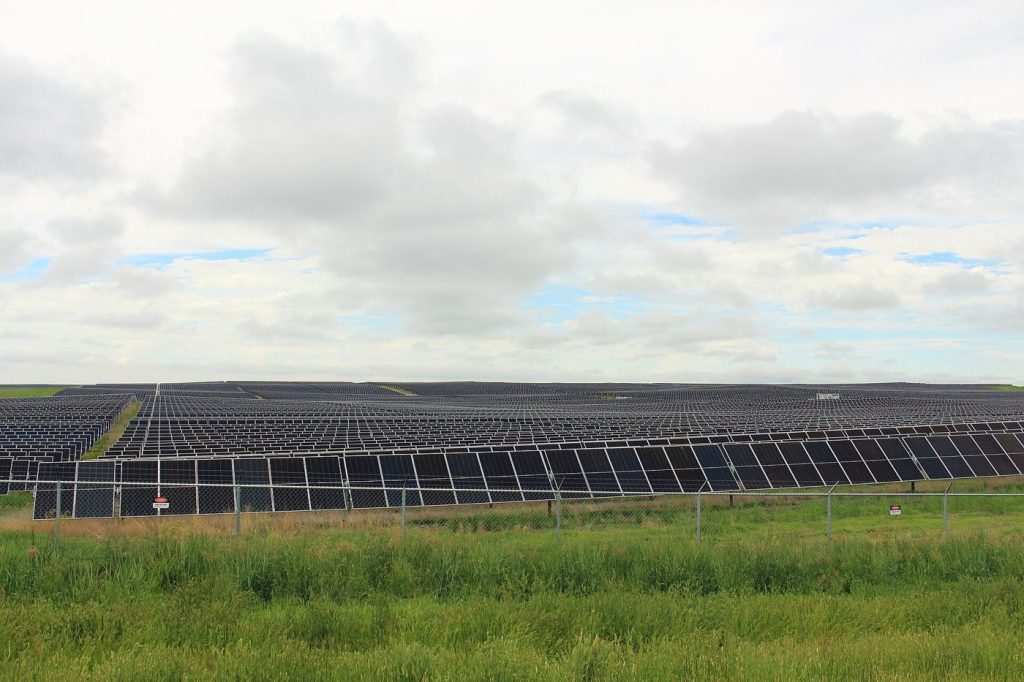
Solar power had another record year in 2024, and the scale of the growth is hard to overstate. According to the International Energy Agency, the world added 553 gigawatts of solar capacity in 2024, about 30 percent more than the year before, taking total installed capacity past 2.2 terawatts. Solar accounted for almost 80 percent of all new renewable energy capacity installed during the year, and total renewable additions reached around 700 gigawatts, a record for the 22nd consecutive year. China dominated the boom, installing between 309 and 357 gigawatts, nearly 60 percent of the global total, while the European Union added about 63 gigawatts, the United States 47 gigawatts and India 32 gigawatts. Even Pakistan emerged as a significant market, adding an estimated 17 gigawatts in a single year.
What the Evidence Shows
The boom has been driven by collapsing prices: solar modules have become so cheap that manufacturers are struggling to stay profitable, and global module production reached 728 gigawatts in 2024 against demand far below that level. The industry now faces a different problem, which is connecting all this capacity to the grid and storing power for when the sun does not shine. Batteries are being built at record pace alongside solar farms, and grids are being upgraded, but in some countries new projects wait years for a connection. The bigger picture is that solar has gone from a niche technology to the world’s leading source of new electricity in little more than a decade, and it is now central to the goal agreed at the COP28 climate summit of tripling renewable capacity by 2030. The question is no longer whether solar will grow, but whether grids, storage and politics can keep up with it. Reporting and analysis from sources such as NASA track the same developments, and specialists following record solar power growth say the direction is now consistent across independent lines of evidence.
The Wider Context
Funding bodies are watching record solar power growth closely because the work sits at the junction of basic curiosity and practical return. Grant panels increasingly ask for a path from discovery to application, while researchers push back that the most valuable uses of fundamental science are rarely the ones written into the original proposal. The tension is productive when both sides stay honest about timescales.
What Happens Next
The long view on record solar power growth is that fields advance by accumulation rather than by single announcements. This result adds a solid, checkable piece to a structure many teams are building, and its authors have shared their data so the piece can be tested from every side. That is how the picture eventually becomes reliable enough to act on. You can follow related developments in our coverage of science.
It is also worth remembering how quickly the picture in this area has changed before. Positions that looked settled a few years ago have been revised as new data arrived, and the same humility is appropriate now. The strongest coverage of this subject, and the most useful advice, tends to come from sources that update their views openly when the facts move, rather than defending an earlier position long after it has stopped fitting the evidence available.
