
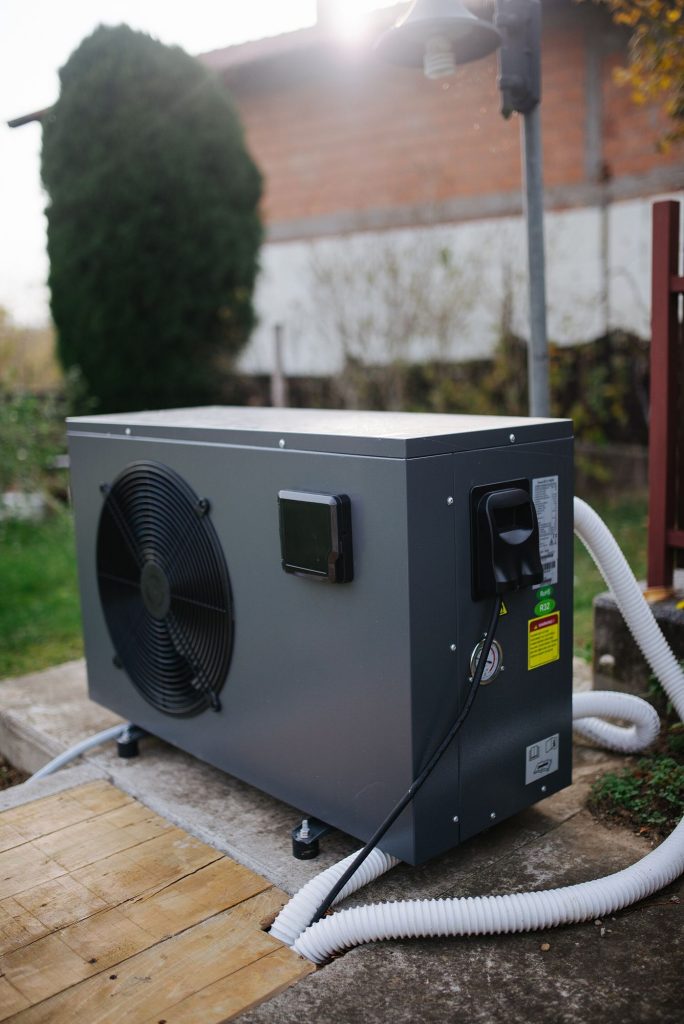
The heat pump has crossed from early-adopter gadget to default choice. In several major markets it now outsells the gas furnace, and installers who once treated it as exotic now fit little else. The reason is arithmetic: a heat pump moves heat rather than making it, delivering three or four units of warmth for every unit of electricity consumed — an efficiency no boiler can match.
That does not make every installation a bargain. Readers researching through qpoenergy.com will find the same advice from every honest installer: the house decides. Insulation, radiator sizes, electricity tariffs and the skill of the setup matter as much as the brand of the unit. A well-designed system in a moderately insulated home typically cuts heating bills substantially against oil or direct electric, and competes with gas where electricity prices are favourable.
The costs nobody quotes first
Upfront prices still exceed a like-for-like boiler swap, though grants in many regions close much of the gap. The hidden variables are the extras: larger radiators or underfloor heating to suit lower flow temperatures, a hot-water cylinder where a combi boiler once sufficed, and occasionally an upgraded electricity supply. Guidance from the U.S. Department of Energy stresses a proper heat-loss calculation before choosing a unit — oversizing and undersizing both waste money.
Running costs hinge on the ‘spark gap’, the ratio between electricity and gas prices. Where electricity costs less than roughly three times gas per unit of energy, a well-run heat pump wins. Time-of-use tariffs and pairing with rooftop solar tilt the maths further, letting the pump heat water when power is cheapest.
Cold-climate doubts, answered
Installers are the bottleneck and the opportunity. The workforce trained on gas boilers is retiring as demand for heat-pump skills climbs, and manufacturers now run large training programmes converting experienced heating engineers — a matter of weeks for the core skills, they say. Consumers feel the shortage as waiting lists in peak season, which is why the standard advice is to book the replacement before the old boiler dies, not after.
Renters and flat-dwellers remain the hard cases: permissions, shared buildings and split incentives between landlord and tenant stall adoption where it is most needed for fuel poverty. Policy experiments — landlord standards, social-housing retrofits at scale — will decide whether the heat-pump era is a homeowners’ story or everyone’s. The technology has crossed its threshold. The housing stock is the frontier now.
The most persistent myth is that heat pumps fail in cold weather. The counter-evidence is geographic: the highest adoption rates in Europe are in Norway, Sweden and Finland, where modern cold-climate models hold their output deep into sub-zero temperatures. Performance does dip on the coldest days, and sizing must account for it, but the technology’s centre of gravity has moved. For most households weighing a boiler replacement, the question is no longer whether a heat pump works. It is whether their home — and their tariff — let it work at its best.
