
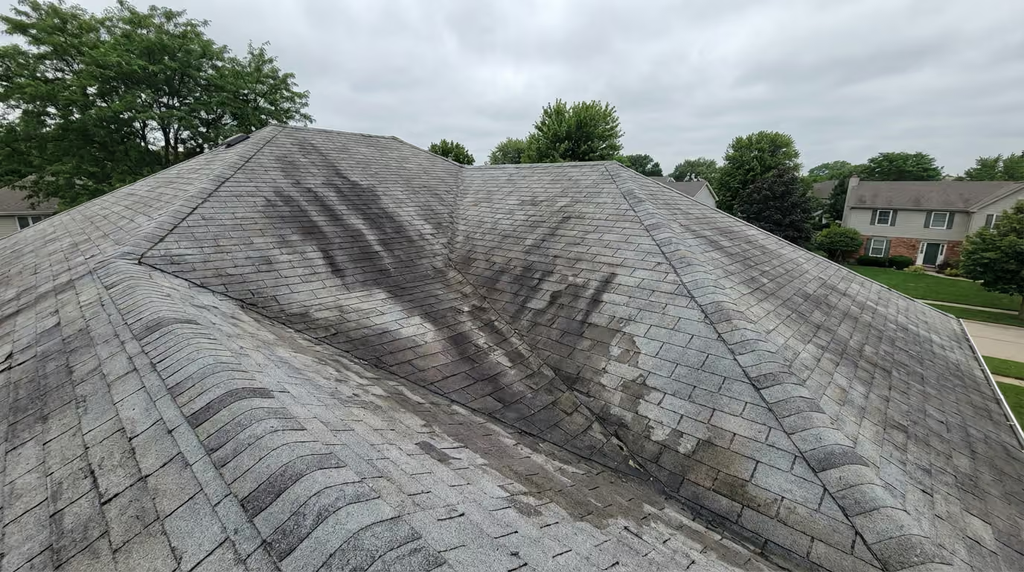
Shingles Are Wearing Out Faster Than They Used To
Roofing systems that once lasted two decades or more are showing signs of granule loss, curling, and leak points within half that time in many neighborhoods. Homeowners who inherited a roof from a previous owner, or who installed one themselves ten years ago, are often surprised when an inspector points out damage that seems premature for the roof’s age. This isn’t a matter of poor memory or exaggerated expectations. Weather patterns have shifted in measurable ways, and building materials that were rated for a certain climate zone are now facing conditions outside those original assumptions.
The shift shows up most clearly in regions that experience more frequent heat spikes, heavier rain events, or longer stretches of UV exposure than the historical averages used to rate shingles decades ago. A roof installed in 2005 was built to specifications that assumed a certain number of freeze-thaw cycles per year or a certain average summer temperature. Those assumptions no longer hold in many parts of the country. The result is a gap between expected lifespan and actual lifespan that catches homeowners off guard, usually at the worst possible time, like after a storm has already found the weak point.
Matching Materials and Crews to Local Conditions
Addressing this gap starts with treating roof replacement as a climate-specific decision rather than a cosmetic one. A contractor who understands the particular stress a region places on shingles, flashing, and underlayment can recommend materials rated for those conditions instead of defaulting to whatever is cheapest or most common. This means asking pointed questions about wind uplift ratings, impact resistance, and how a given product has performed in similar climates over the past several years, not just what the manufacturer’s brochure promises.
Solar integration adds another layer to this conversation, since panels and mounting hardware interact with roof structure in ways that traditional shingle-only installs never had to account for. Companies that handle both roofing and solar under one roof, so to speak, tend to avoid the finger-pointing that happens when a solar installer and a roofer blame each other for a leak. Citadel Roofing and Solar has built its service model around that overlap, treating the roof deck and the solar array as one connected system rather than two separate projects bolted together. That approach matters more as more homeowners add panels to roofs that were never originally engineered with that load and attachment pattern in mind.
Pricing and scheduling pressures push some crews toward shortcuts that are hard for an untrained eye to spot, like skipping ice-and-water shield in valleys or reusing old flashing instead of replacing it. A homeowner who understands the baseline standards for their climate zone is better positioned to ask the right questions before signing a contract. Research published through NIST building and construction research has documented how material performance varies significantly by region and exposure, which is part of why a one-size-fits-all installation approach tends to underperform in the long run.
Questions Worth Asking Before the Crew Arrives
Homeowners evaluating a roofing project should ask for documentation on how a proposed material has performed in their specific climate zone, not just a general warranty that assumes ideal conditions. A warranty that covers manufacturing defects says little about how a shingle holds up against hail or prolonged humidity if the installation itself wasn’t suited to that environment. Getting a written breakdown of underlayment type, ventilation plan, and flashing details before work begins gives a homeowner something concrete to compare across bids.
It also helps to ask how a contractor handles the handoff between structural work and any electrical or solar components, since that boundary is where many warranty disputes originate. A crew that can walk through how roof penetrations for solar mounts are sealed, inspected, and maintained over time is signaling a level of coordination that fragmented contractor relationships often lack. That kind of detail tends to separate companies that treat a roof as a long-term system from those treating it as a one-time transaction.
Finally, it’s worth asking about maintenance expectations after installation, since even a well-matched material and skilled crew can’t fully offset years of neglect. A short annual inspection, especially after major storms, catches small issues before they become structural ones. Homeowners who build that habit into their routine tend to get closer to the lifespan their materials were actually rated for, rather than the shortened version that has become common in recent years.
