
As homeowners and businesses look for more energy-efficient ways to heat and cool their spaces, heat pumps have become an increasingly popular solution. These versatile systems offer year-round comfort while helping reduce energy consumption and utility costs. But what exactly are heat pumps, and how do they work?
In this guide, we’ll explain the basics of heat pump technology, its benefits, and why many property owners are making the switch to this modern HVAC solution. If you’re exploring, understanding the operation and advantages of heat pumps can help you make a more informed decision.
What Is a Heat Pump?
A heat pump is an energy-efficient heating and cooling system that transfers heat from one location to another rather than generating heat directly. Unlike traditional furnaces that burn fuel to create warmth, heat pumps move existing heat using electricity and refrigeration technology.
In colder months, a heat pump pulls heat from the outdoor air (or ground) and moves it into your home. In warmer months, the process reverses, removing heat from indoors and releasing it outside to cool the space.
This dual functionality makes heat pumps an all-in-one climate control solution for many residential and commercial properties.
How Heat Pumps Work
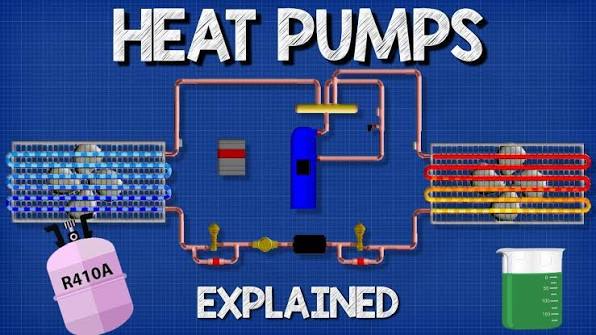
To understand how heat pumps work, it’s helpful to know the main components involved:
- Compressor
- Evaporator coil
- Condenser coil
- Refrigerant
- Expansion valve
The system operates through a continuous cycle of heat transfer.
Heating Mode
When heating your home:
- The outdoor unit absorbs heat from the surrounding air.
- Refrigerant inside the system captures this heat.
- The compressor compresses the refrigerant, increasing its temperature.
- The heated refrigerant travels indoors.
- The indoor coil releases the heat into your living space.
- The cooled refrigerant returns outside to repeat the process.
Even when outdoor temperatures feel cold, there is still heat energy available in the air that the system can capture and transfer indoors.
Cooling Mode
In summer, the process reverses:
- The indoor unit absorbs heat from inside the building.
- Refrigerant carries the heat outdoors.
- The outdoor unit releases the heat into the atmosphere.
- Cool air is circulated back indoors.
This process functions similarly to a traditional air conditioner, providing efficient cooling during hot weather.
Types of Heat Pumps
There are several types of heat pumps available, each suited to different environments and needs.
Air-Source Heat Pumps
These are the most common heat pumps used today. They transfer heat between indoor air and outdoor air and are generally the most affordable option.
Ground-Source (Geothermal) Heat Pumps
These systems transfer heat between your home and the ground. Since underground temperatures remain relatively stable throughout the year, geothermal systems are highly efficient but require a larger upfront investment.
Water-Source Heat Pumps
Water-source systems use nearby bodies of water as a heat exchange medium. They are typically found in specific commercial or residential applications where water access is available.
Benefits of Heat Pumps
Heat pumps offer several advantages over traditional heating and cooling systems.
Energy Efficiency
Because heat pumps transfer heat rather than generate it, they can deliver significantly more energy than they consume.
Benefits include:
- Lower energy bills
- Reduced electricity consumption
- Improved overall efficiency
Year-Round Comfort
One system can provide both heating and cooling, eliminating the need for separate equipment.
Environmentally Friendly
Heat pumps can help reduce greenhouse gas emissions by relying on electricity rather than fossil fuels.
Consistent Indoor Temperatures
Many modern heat pumps provide steady, even heating and cooling, improving indoor comfort throughout the year.
Reduced Maintenance
Compared with systems that rely on combustion, heat pumps often require less maintenance and have fewer components subject to wear.
Are Heat Pumps Effective in Cold Climates?
One common misconception is that heat pumps only work in mild climates. Modern cold-climate heat pumps are designed to operate efficiently even when outdoor temperatures drop significantly.
Advanced technology allows many systems to continue providing reliable heating in freezing conditions. In particularly harsh climates, a supplemental heating source may be used during extreme cold snaps.
Signs a Heat Pump May Be Right for You
A heat pump could be an excellent investment if:
- You want to lower heating and cooling costs.
- You’re replacing an aging HVAC system.
- You want a more environmentally friendly solution.
- You need both heating and cooling from one system.
- You are upgrading a new or existing property.
Consulting with a qualified HVAC professional can help determine the best type and size of heat pump for your specific needs.
Maintenance Tips for Heat Pumps
To keep your heat pump running efficiently:
- Replace air filters regularly.
- Keep outdoor units free from debris.
- Schedule annual professional inspections.
- Ensure airflow around indoor and outdoor components remains unobstructed.
- Monitor system performance for unusual noises or reduced efficiency.
Routine maintenance helps maximize performance and extend the lifespan of the system.
Conclusion
Heat pumps are transforming the way homes and businesses manage indoor comfort. By transferring heat rather than generating it, they provide an energy-efficient, environmentally friendly solution for both heating and cooling. Understanding how heat pumps work helps homeowners appreciate the technology behind their impressive efficiency and versatility.
