
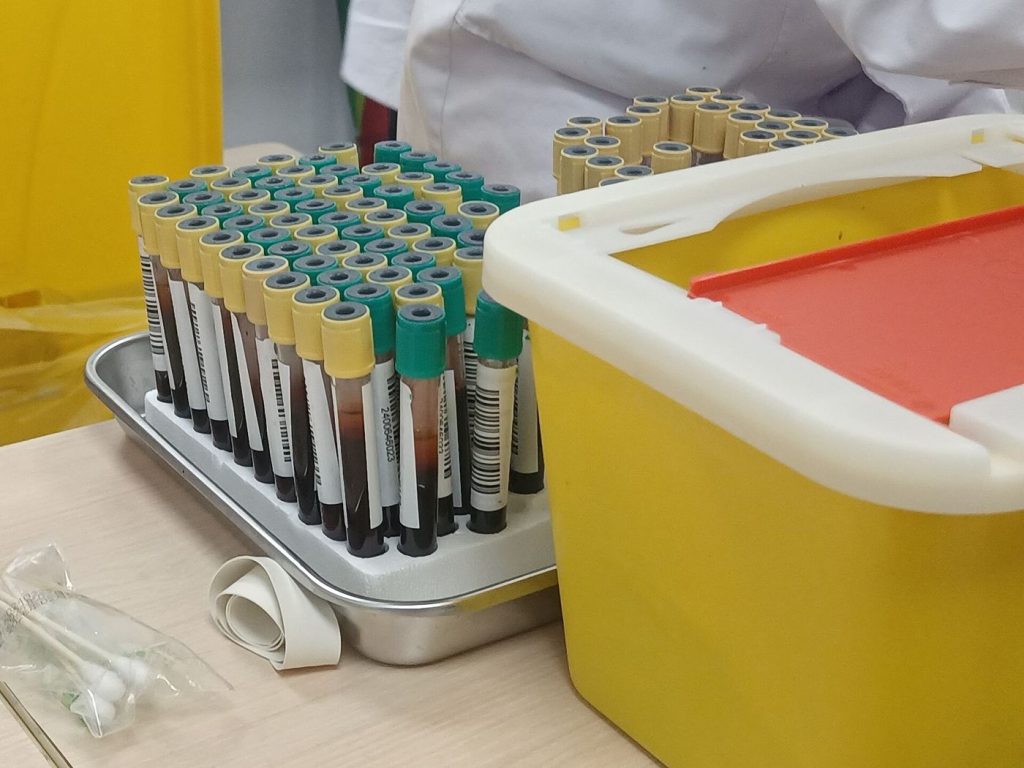
Prediabetes is one of the most common health conditions in the United States, yet most people who have it do not know. The condition means blood sugar levels are higher than normal but not yet high enough for a diagnosis of type 2 diabetes, and it usually causes no symptoms at all. The CDC’s National Diabetes Statistics Report puts the figure at approximately 98 million American adults, or about 38 percent of the adult population, and more than 80 percent of them are unaware they have it. Among adults over 65, nearly half are living with the condition. Without action, about one in ten people with prediabetes progresses to type 2 diabetes each year. The American Diabetes Association recommends screening for all adults from the age of 35, using a blood test called HbA1c, with a result between 5.7 and 6.4 percent indicating prediabetes.
What the Evidence Shows
The hopeful news is that prediabetes can often be reversed. The landmark Diabetes Prevention Program trial found that lifestyle changes cut the risk of developing diabetes by 58 percent over about three years, through losing 5 to 7 percent of body weight and doing 150 minutes of brisk walking a week, a benefit that proved durable over ten years of follow-up. The same habits that help in other areas of health apply here: more vegetables and whole grains, fewer sugary drinks and processed foods, regular movement, better sleep and not smoking. Many health systems now run structured prevention programmes, and the CDC’s National Diabetes Prevention Program is available across the United States. A simple blood test is the starting point, and anyone with risk factors such as a family history of diabetes, excess weight or high blood pressure should ask their doctor about being checked. Reporting and analysis from sources such as World Health Organization track the same developments, and specialists following prediabetes screening say the direction is now consistent across independent lines of evidence.
The Wider Context
The wider context is a health system trying to move from treating illness late to preventing it early, against budgets that reward the opposite. Evidence around prediabetes screening is being weighed by guideline committees that ask two questions in order: does it work, and can ordinary services actually deliver it at scale. Many good ideas pass the first test and stall on the second.
What Happens Next
What happens next for prediabetes screening depends on the slow machinery of guidelines, funding and training catching up with the evidence. Patients asking about it today should expect honest answers that include uncertainty, and clinicians say a service that explains what is not yet known earns more trust than one that oversells. The research pipeline, at least, is moving in the right direction. You can follow related developments in our coverage of health.
There is a practical lesson in all of this for readers deciding what to do today. Start with the verified facts, be wary of anyone promising certainty, and prefer reversible steps while the evidence is still developing. Circumstances differ by country, income and personal situation, so general guidance should always be weighed against your own context before you act on it in any significant or lasting way.
