
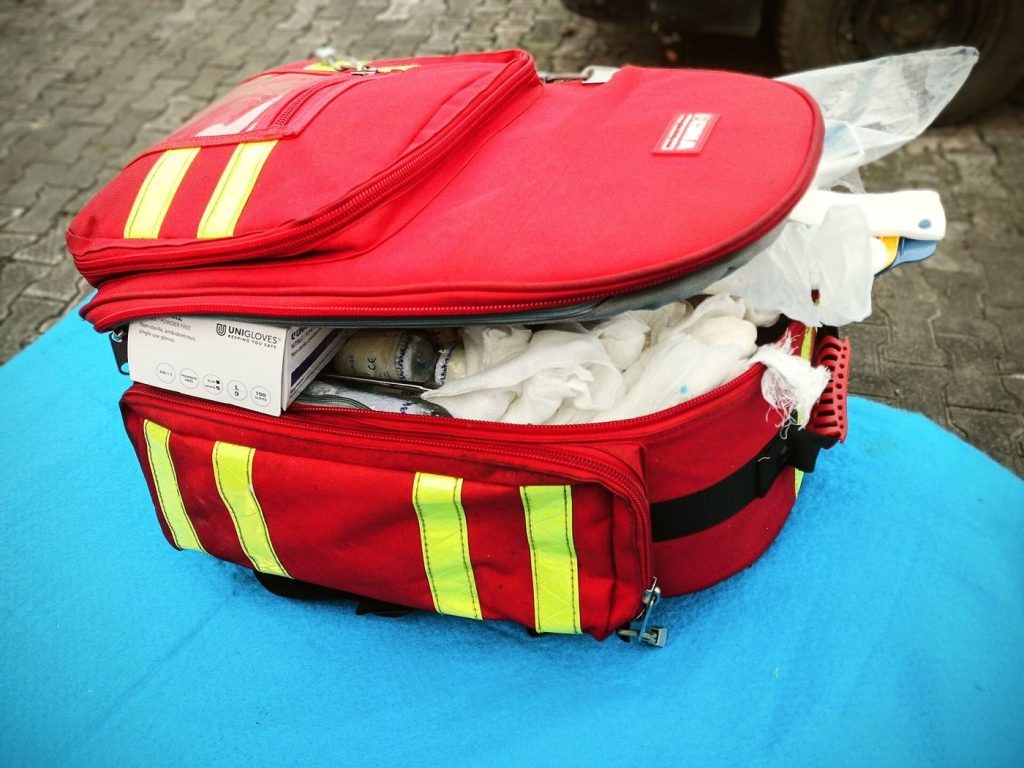
Families are learning first aid basics for everyday home accidents, realising that a little knowledge can make a frightening moment far calmer. Most home accidents are small, a cut while cooking, a burn from a hot pan, a child who falls off a chair, yet in the moment even a minor injury can cause panic, especially when a child is involved. First aid trainers say the most important skill is staying calm and knowing the first steps: how to stop bleeding with pressure, how to cool a burn with running water, and when to call for help. A well-stocked first aid kit, kept where everyone in the household knows to find it, is the starting point, with plasters, bandages, antiseptic and a thermometer. Many families now take a short first aid course, often free or low cost, and practise the basics together so that everyone, including older children, knows what to do. The confidence it brings, trainers say, is the real benefit: a family that knows first aid worries less and reacts better when something happens.
What the Evidence Shows
Experts recommend a few essentials: learn how to treat the most common injuries, such as cuts, burns, sprains and choking, and keep the local emergency number and the doctor’s number on the fridge. A burn should be cooled under running water for at least ten minutes, a bleeding cut pressed firmly with a clean cloth, and a suspected sprain rested, cooled and raised. Parents are advised to teach children to call for help and to stay with an injured person rather than running off. First aid kits should be checked regularly and restocked, and medicines kept separately and out of children’s reach. Anyone who witnesses a serious accident should call emergency services first and follow their instructions. For families, trainers say, first aid is a life skill worth an evening to learn, and one that may matter most on an ordinary day at home. Reporting and analysis from sources such as World Health Organization track the same developments, and specialists following first aid basics at home say the direction is now consistent across independent lines of evidence.
The Wider Context
The wider context is a health system trying to move from treating illness late to preventing it early, against budgets that reward the opposite. Evidence around first aid basics at home is being weighed by guideline committees that ask two questions in order: does it work, and can ordinary services actually deliver it at scale. Many good ideas pass the first test and stall on the second.
What Happens Next
What happens next for first aid basics at home depends on the slow machinery of guidelines, funding and training catching up with the evidence. Patients asking about it today should expect honest answers that include uncertainty, and clinicians say a service that explains what is not yet known earns more trust than one that oversells. The research pipeline, at least, is moving in the right direction. You can follow related developments in our coverage of health.
There is a practical lesson in all of this for readers deciding what to do today. Start with the verified facts, be wary of anyone promising certainty, and prefer reversible steps while the evidence is still developing. Circumstances differ by country, income and personal situation, so general guidance should always be weighed against your own context before you act on it in any significant or lasting way.
