
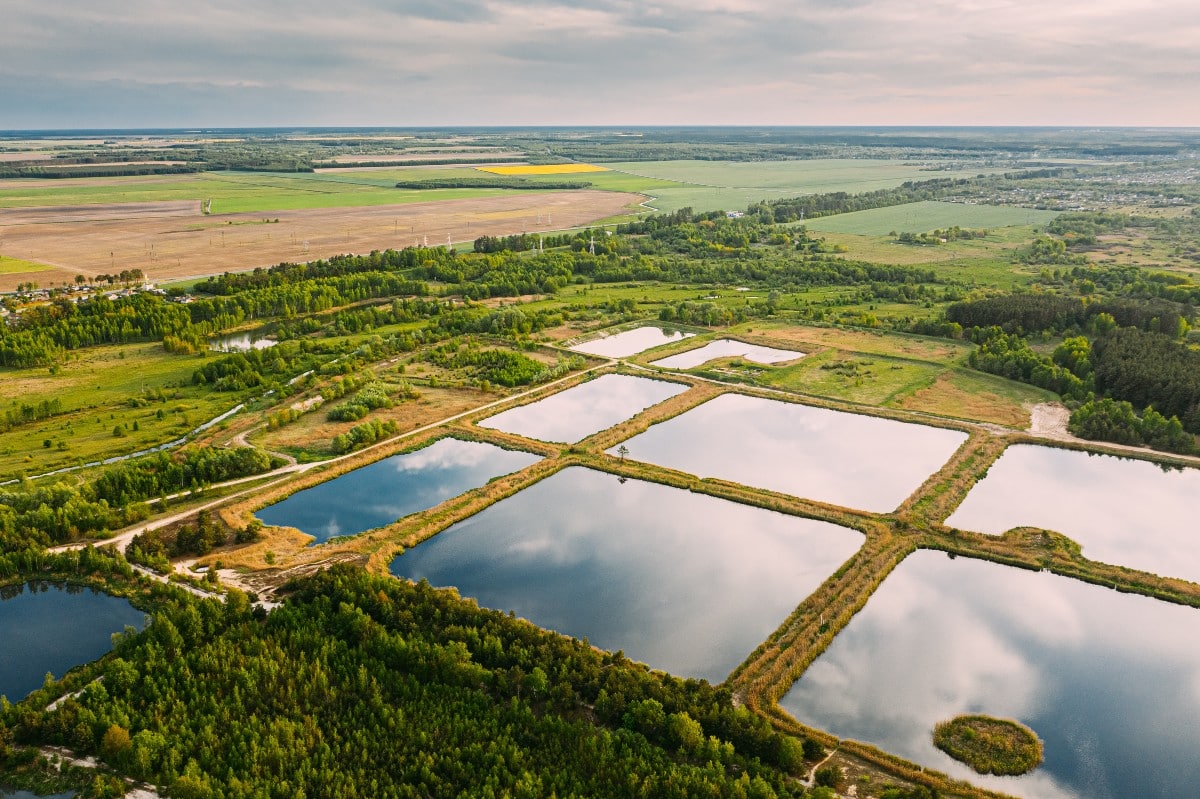
Mining cannot happen at scale without access to a water supply. Beyond its more obvious uses in hydration and hygiene, water is an essential input for dust suppression, drilling, equipment washdown, ore processing, and a wide range of typical site activities.
Australian mining companies thus face multiple challenges in accessing adequate water supplies, largely due to the island-continent’s geography. Many of the richest mineral deposits lie in the Outback or in regions where usable water supplies are extremely limited. Given the importance of mining to the Australian economy, there is a need for infrastructure that reduces waste without compromising operational efficiency.
For this reason, incremental improvements in water infrastructure are being rolled out gradually, with each one further improving on the potential water efficiency of remote mining operations. When it comes to critical infrastructure components like standpipe Australia solutions, providers like Liquimech Group are now offering models and integrated solutions with performance that would have been unthinkable a generation ago. Rather than serving simply as water dispensing points, today’s engineered standpipe systems help mining operators control water access more closely, in the process improving filling efficiency and supporting less wasteful water usage.
With mining operations now under pressure to produce stronger sustainability outcomes, investing in well-designed standpipes and other water infrastructure is now a widely recognised necessity in the industry.
Why Is Water Management So Important in Australian Mining?
Mining activities require substantial volumes of water at virtually every point of each project cycle. A reliable water supply is essential for everything from construction to production and site rehabilitation.
However, Australia’s climate and vast distances present unique challenges for providing sufficient supplies of water, particularly at remote sites. Many mining projects operate in remote or arid regions where water availability can fluctuate significantly. Every unnecessary litre lost through inefficient infrastructure, uncontrolled filling processes, or equipment failures increases operational costs while placing additional pressure on already-limited local water resources.
Sustainable water management in today’s mining operations must, therefore, extend beyond simply reducing consumption. Every transfer, distribution point, and storage system must operate efficiently while still directly supporting consistent productivity.
How Do Modern Standpipe Systems Support Sustainable Water Use?
Standpipe systems provide controlled access points for filling water carts, service vehicles, and other mobile water equipment. While this function may seem straightforward, modern engineering can significantly reduce wastage and improve how efficiently water is accessed across mining sites. Some benefits include:
- Faster Filling Times. High-flow standpipes reduce filling times, allowing pumps to operate more efficiently while limiting unnecessary vehicle idling. Well-designed pipework also helps minimise pressure losses that can waste energy and reduce system performance.
- Reduced Water Waste. Poorly positioned filling stations, unstable structures, leaking connections, or inconsistent water delivery can all lead to losses. Advanced standpipe systems address these risks through stable support structures, quality valves and fittings, and pumps that can be set to match required flow rates.
- Customisation for Unique Site Challenges. Notably, modern standpipe packages can also be specifically built for each site’s operating conditions. Solutions providers can recommend the optimal pipe diameters, pump capacities, structural supports, and safety features for a given site, improving long-term water usage efficiency while also reducing maintenance demands.
- Portability and Modularity for Changing Site Conditions. Today’s collapsible or modular standpipe designs add further practicality for temporary or changing project locations. Because they can be transported, installed, and redeployed more efficiently, sites can reduce unnecessary infrastructure changes or abandonments that may disturb surrounding environments.
What Should Mining Operators Consider When Selecting Standpipe Systems?
While there might be broad similarities in their challenges, no two mining operations share identical water management requirements. Factors such as terrain, elevation, available water sources, pumping distances, vehicle sizes, expected flow rates, and budget all influence system design.
For this reason, selecting a standpipe system should involve more than choosing standard equipment from a catalogue. Mining operators should evaluate a more comprehensive solution, preferably one that offers the following:
- Site-specific engineering that matches operational requirements
- Durable construction suitable for harsh Australian conditions
- Ease of maintenance
- High-flow capability for efficient water truck filling
- Modular configurations that could be repositioned or reconfigured as needed
- Integration with telemetry or automated monitoring systems for prompt repairs and preemptive maintenance across massive remote sites
- Safety features that keep the operation compliant with applicable laws
Custom-designed solutions are often better able to deliver reliable long-term performance because they address the specific challenges of each project rather than forcing operations to adapt around generic equipment.
Build Sustainability Into Every Drop
Sustainable mining depends on thousands of practical decisions made across everyday operations. As important as they are, efficient standpipes are just one of many solutions that mining companies can integrate to help reduce waste and support safer worksites, without impeding productivity. As Australian mining continues to pursue the seemingly irreconcilable goals of productivity and stronger environmental performance, investing in smarter water access solutions represents one of the most practical steps they can take today.
