
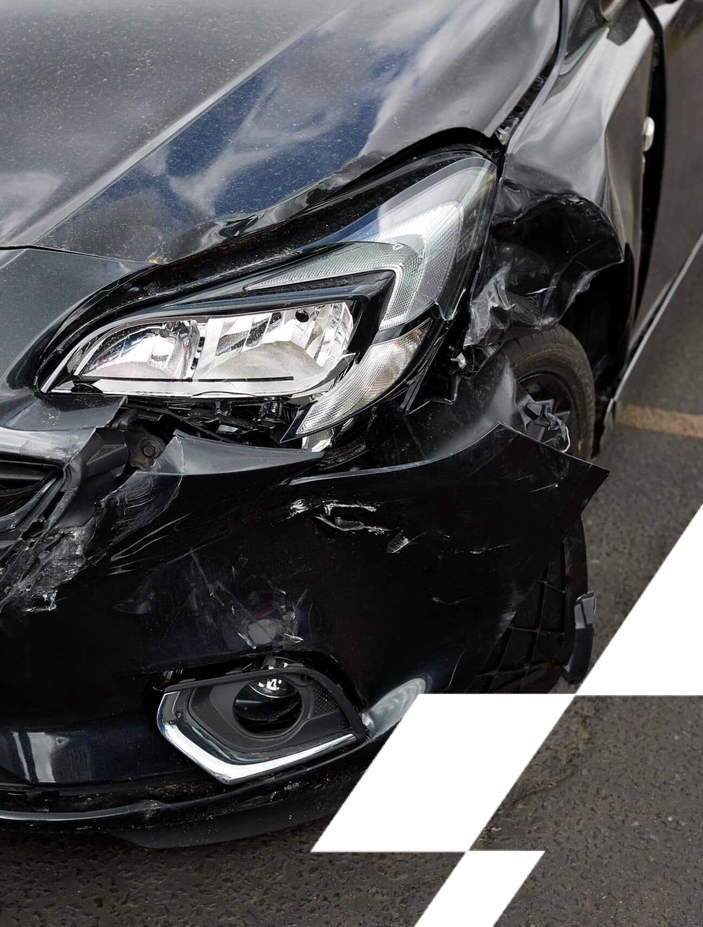
The tap happens in stop-and-go traffic on Business 80, maybe at 8 miles per hour. Both drivers get out, look at the bumpers, and see nothing but a scuff. They trade shrugs instead of insurance cards, maybe a quick apology, and that is that. No collision repair, no claim, no photos. The whole event takes four minutes, and everyone leaves feeling lucky.
This post follows that car for next year. Because the case for collision repair after a minor accident is not really about the dent you can see. It is about a chain of small failures that starts the moment the bumper pops back into shape. Each one stays invisible right up until it costs real money to repair.
Day One: The Bumper That Popped Back Into Shape
A modern bumper cover is flexible plastic, built to flex on light contact and return to form. So it does exactly that, and the car looks untouched. The plastic was never the protection, though. Behind it sits a foam or crushable absorber and a metal crash bar, and those parts do their job by collapsing. They work once.
A crushed absorber does not spring back the way the cover did. The car now wears a bumper that looks whole and protects like one that is already spent. The next hit, even another small one, reaches farther into the car than it should. You will never know the difference until the day it matters most, which is a strange thing to gamble on to save an inspection visit.
Week Three: The Car Pulls a Little and You Correct Without Noticing
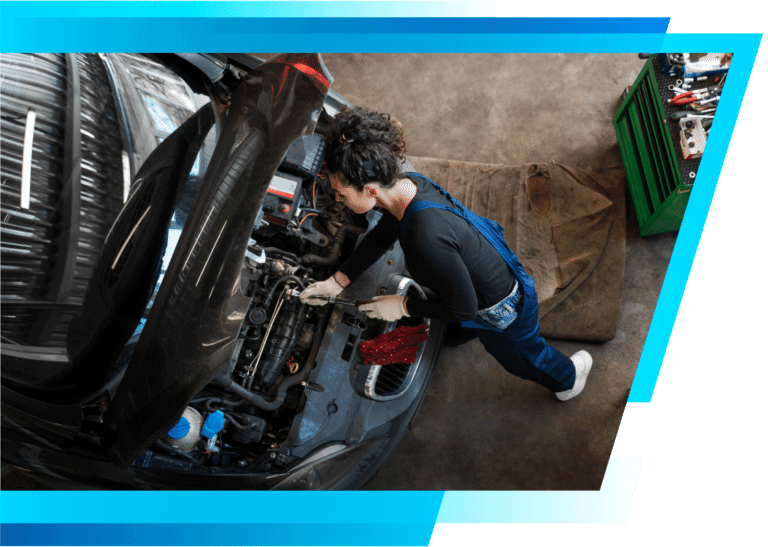
Low-speed impacts transfer force into whatever they touch, and on a corner, that often means a wheel. A control arm or tie rod nudged out of spec produces a faint pull. You compensate with your wrist and forget about it by the second week. Hard to say when it becomes normal. It just does. Passengers sometimes notice before the owner, which says something about how well people adapt to their own cars.
The tires keep score anyway. Uneven wear from bad alignment shaves thousands of miles off their life. The receipt for that arrives at the tire shop a year later, looking like it has nothing to do with the tap.
Month Six: A Sensor Aims Two Degrees in the Wrong Direction
Radar units and cameras live inside and behind bumpers, mounted on brackets that a light hit can shift without cracking. A sensor knocked two degrees off aim, still works. It just watches the wrong slice of road. Emergency braking might react late or react to the lane beside you. No dashboard warning ever appears because the part itself reports healthy while pointing the wrong way.
Diagnostic scanning and calibration exist for exactly this case. A scan reads faults the dashboard hides. Calibration then puts the sensor’s aim back where the engineers set it, verified against targets rather than hope. Possibly the strangest part is how cheap this check is compared to what it rules out.
First Winter Rain: Water Finds the Cracked Seam
Sacramento stays dry long enough that a damaged seal keeps its secret for months. Then the November rain arrives, weeks of it, testing every seam the summer never questioned. A trunk seam flexed in a rear tap. A hairline crack in paint near a panel edge. A seal pinched out of position. All of it lets water begin its slow work. Damp carpet smells appear first, usually in the trunk. Corrosion starts sooner, underneath, where nobody looks until a jack goes under the car for other reasons.
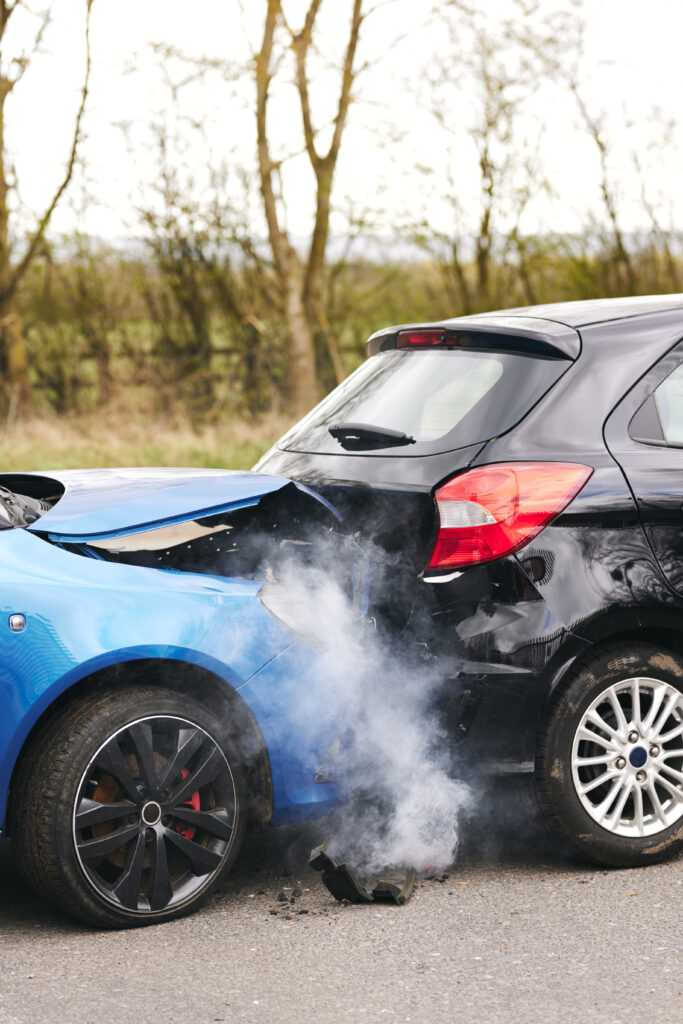
Paint matters here more than people think. Its job is sealing metal from the air and water around it, and a crack too small to catch your eye still leaves that metal exposed. A shop checks these seams in minutes during an inspection with nothing more than trained eyes and a water test. Weather runs the same test eventually, only slower, and it never sends a report before the damage.
A Twenty-Minute Inspection Settles the Whole Question
Perhaps the tap really was nothing. That outcome happens plenty, and a good inspection ends with a handshake and no invoice. Either way, you stop wondering, and the wondering was the expensive part. The point is knowing instead of guessing, because the guess has a way of compounding quietly for a year before presenting its bill.
Relux Collision handles collision repair, bumper repair, diagnostic scanning, and calibration in Sacramento, which covers every failure this post walked through. Get a free estimate at reluxcollision.com/get-a-quote or call 916-621-5306, Monday through Friday, 8 am to 5 pm. Bring the car in the same week as the hit if you can, even when everything looks and feels normal from the driver’s seat. The inspection is quick, the record it creates lasts, and the version of you reading this next November will be glad it exists.
