
Power outages can happen unexpectedly due to severe weather, grid failures, natural disasters, or maintenance issues. While short interruptions may only be inconvenient, extended blackouts can disrupt daily life, affect remote work, compromise food storage, and even create safety concerns. That is why homeowners are increasingly investing in reliable backup power solutions.
However, with so many options available from traditional fuel generators to battery storage systems and solar-powered alternatives choosing the right backup power solution can feel overwhelming. Understanding your energy needs, budget, and long-term goals is essential before making a decision.
This guide will help you evaluate the most important factors when selecting a home backup power system and explain why solar-powered solutions are becoming the preferred choice for many households.
Why a Backup Power Solution Matters
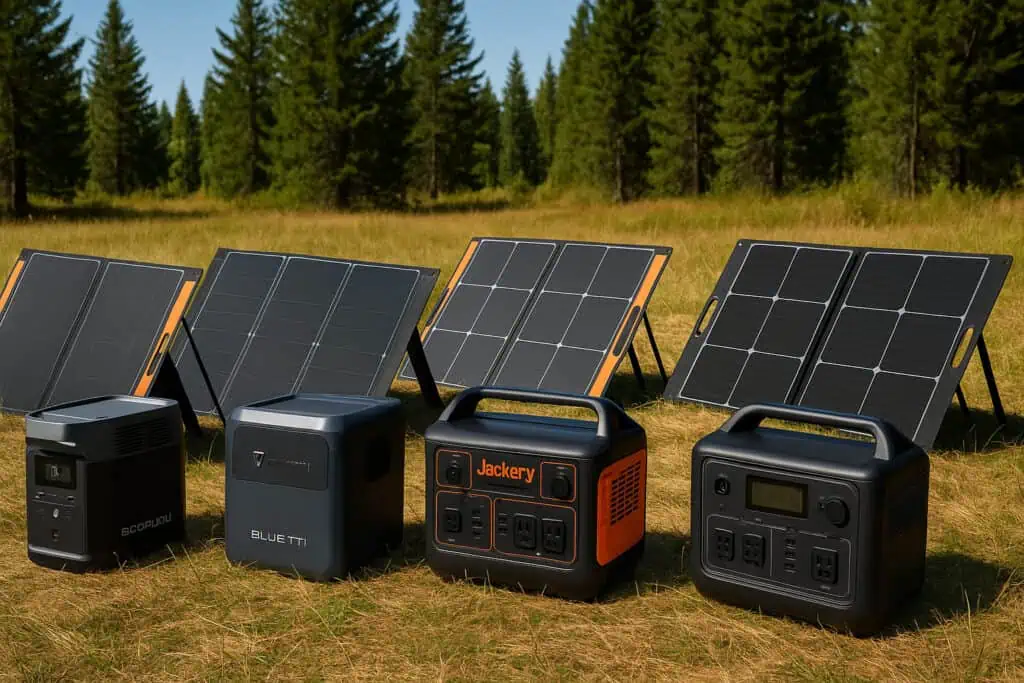
Modern PORTABLE SOLAR BACKUP POWER SYSTEMS have become especially popular because they offer flexibility, mobility, and reliable emergency power. These systems can power essential devices during outages while also serving as valuable energy sources for camping, RV travel, and outdoor activities.
A dependable backup power system provides peace of mind by ensuring that critical devices continue operating during outages. In addition to improving comfort and convenience, backup power solutions can protect your home from costly disruptions and potential damage caused by power failures.
As energy costs rise and extreme weather events become more frequent, homeowners are increasingly viewing backup power as a necessity rather than a luxury.
Understanding Different Types of Backup Power Solutions
Before selecting a system, it is important to understand the primary backup power options available today.
Traditional gas and diesel generators have long been used for emergency power. They provide substantial output but require fuel, regular maintenance, and proper ventilation due to emissions.
Whole-home standby generators offer automatic operation and high power capacity, but installation costs can be significant.
Battery backup systems store electricity for use during outages. These systems are quieter and cleaner than fuel-powered generators but may have limited runtime depending on battery capacity.
Solar-powered backup systems combine renewable energy generation with battery storage, creating a sustainable and long-lasting solution that can continue producing electricity during extended outages.
Assessing Your Household Energy Needs
The first step in choosing a backup power solution is determining how much electricity your household requires during an outage.
Consider which devices and appliances are essential. Many homeowners prioritize refrigerators, lighting, internet equipment, medical devices, and heating or cooling systems.
Start by calculating the wattage requirements of these devices and estimating how long they need to operate during a blackout. This information will help determine the size and capacity of the backup system you need.
A properly sized solution ensures reliable performance without unnecessary costs associated with oversized systems.
The Growing Popularity of Solar Backup Systems
Solar technology has transformed the backup power industry by providing homeowners with a clean and renewable energy source.
Unlike traditional generators, solar-powered systems do not rely on fuel deliveries or produce harmful emissions. They operate quietly and require significantly less maintenance.
For homeowners seeking energy independence and environmental sustainability, solar backup systems offer a compelling alternative to conventional generators.
Choosing the Right Solar Generator Capacity
One of the most important decisions when purchasing a solar backup system is selecting the correct generator size.
Many homeowners make the mistake of choosing either a system that is too small to meet their needs or one that is unnecessarily large and expensive.
Understanding your total energy consumption is critical when CHOOSING THE RIGHT SOLAR GENERATOR SIZE. Factors such as appliance wattage, daily usage patterns, and desired backup duration all influence the ideal capacity.
A properly sized solar generator ensures efficient operation while maximizing the value of your investment.
Key Features to Look For
When comparing backup power systems, several features deserve careful consideration.
Battery capacity determines how long the system can provide electricity during an outage. Higher-capacity batteries support longer runtimes and larger appliances.
Power output affects which devices can operate simultaneously. Ensure the system can handle both the running and startup wattage of critical appliances.
Charging speed is another important factor. Faster charging capabilities allow the system to recover more quickly after use.
Port selection matters as well. Look for systems that offer multiple AC outlets, USB ports, DC outputs, and modern charging options such as USB-C.
Monitoring capabilities can also improve user experience. Many modern systems include mobile apps that allow homeowners to track battery levels, energy production, and power consumption in real time.
Solar Panels and Energy Independence
Pairing a backup battery system with solar panels significantly increases its effectiveness.
Solar panels continuously generate electricity during daylight hours, allowing batteries to recharge even when the grid remains unavailable. This capability is particularly valuable during prolonged outages caused by severe weather or natural disasters.
In addition to providing emergency power, solar systems can reduce monthly electricity bills by offsetting grid consumption.
Over time, the savings generated by solar energy can help offset the initial investment in the backup system.
Evaluating Long-Term Costs
While upfront cost is often a major consideration, it is important to evaluate the total cost of ownership over the system’s lifespan.
Fuel-powered generators require ongoing fuel purchases, maintenance, and repairs. Fuel prices can also fluctuate significantly during emergencies.
Solar-powered systems generally have higher initial costs but lower long-term operating expenses. Since sunlight is free, homeowners avoid fuel costs while benefiting from reduced maintenance requirements.
Many solar backup systems also qualify for government incentives, rebates, or tax credits, further improving their financial value.
Environmental Benefits of Solar Backup Power
Sustainability has become an important consideration for many homeowners.
Traditional generators release carbon emissions and contribute to air pollution. In contrast, solar-powered systems generate clean electricity without producing harmful pollutants.
By investing in renewable energy technology, homeowners can reduce their carbon footprint while supporting broader environmental goals.
This combination of reliability and sustainability is one of the primary reasons solar backup systems continue gaining popularity worldwide.
Making the Final Decision
Choosing the right backup power solution requires balancing your energy needs, budget, and long-term objectives.
If you require whole-home coverage and automatic operation, a standby generator may be appropriate. However, if you value sustainability, quiet operation, and energy independence, solar-powered backup systems often provide the best overall solution.
Carefully evaluate your energy consumption patterns, consider future needs, and select a system with sufficient capacity to support your essential appliances.
By taking a strategic approach, you can invest in a backup power solution that protects your home, reduces energy costs, and provides reliable performance for years to come.
Final Thoughts:
A reliable backup power solution is one of the smartest investments a homeowner can make. As power outages become more common and energy costs continue rising, having access to dependable emergency electricity is increasingly important.
Solar-powered backup systems have emerged as a leading choice due to their clean energy generation, low maintenance requirements, and long-term cost savings. Whether you need emergency power for essential appliances or greater energy independence, the right system can provide security and peace of mind.
By carefully evaluating your household energy requirements and selecting the appropriate system size, you can enjoy uninterrupted power and greater resilience in any situation.
