
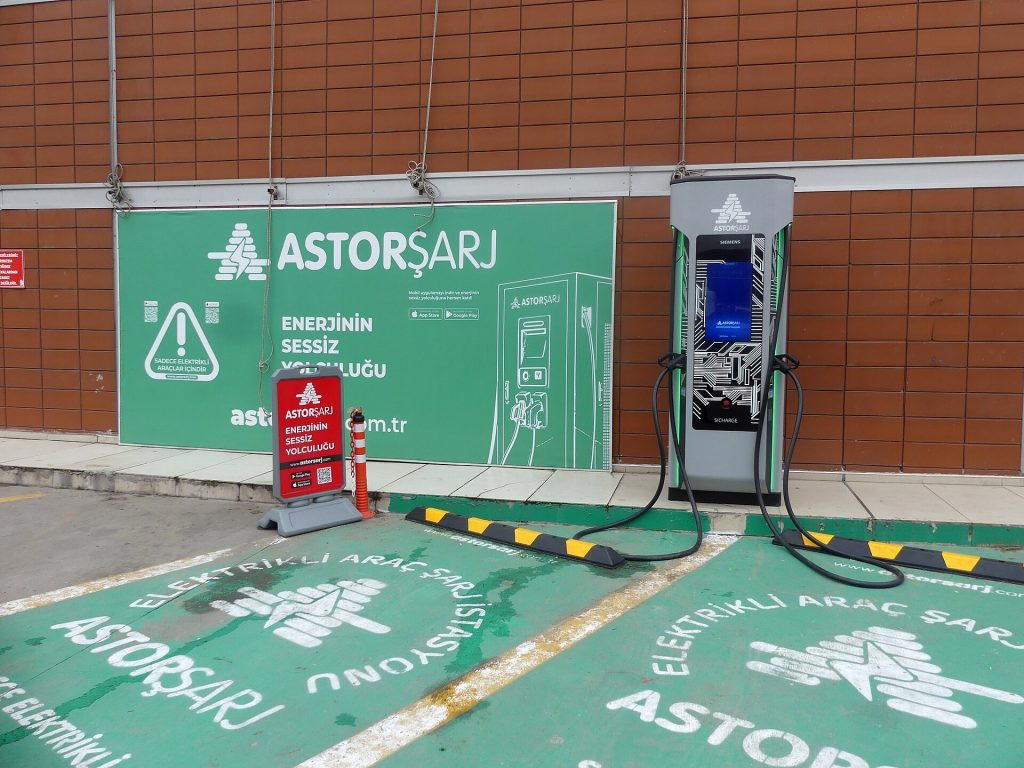
The electric vehicle transition has a public-relations problem parked in retail car parks everywhere: the charger that is broken when you reach it. Surveys of EV drivers consistently find that failed charging sessions — dead screens, payment errors, connectors that will not start — rank above range as the experience that sours ownership and deters the next buyer. The industry has spent a decade building chargers. It is now spending serious money making them work.
The numbers explain the frustration. Independent audits in several markets have found public charger reliability well below the figures networks self-report, with a meaningful share of visits ending without a charge. The causes are mundane: vandalised cables, ageing payment terminals, software that fails in rain and cold, and maintenance contracts that treated uptime as an afterthought. Our energy desk has tracked the shift from counting chargers installed to counting chargers working.
Uptime Becomes the Business Model
Regulators are forcing the pace. Public funding programmes in the United States and Europe now attach uptime requirements — typically 97 percent — to chargers built with public money, with reporting obligations to match. In the United Kingdom, public charge points above a certain power must meet reliability standards and offer contactless payment. The effect is to convert reliability from a courtesy into a compliance cost, and networks are responding with monitoring centres that detect faults remotely, predictive maintenance, and modular hardware designed for ten-minute repairs.
There is a commercial logic beyond compliance. As charging margins thin and competition grows, networks have realised that drivers choose sites the way travellers choose petrol stations: by habit and trust. A charger that works every time is worth more than a marginally cheaper one that strands you. Operators report that reliable sites see utilisation climb, which is the metric their investors actually watch.
The Driver’s-Eye View
For drivers, the improvements arriving are tangible: live availability in apps that is actually live, plug-and-charge authentication that skips the payment dance entirely, and canopies, lighting and pricing transparency borrowed from the petrol forecourt playbook. The International Energy Agency notes that public charging must roughly keep pace with the vehicle fleet for the transition to feel effortless rather than improvised.
The Petrol Station Playbook
The networks learning fastest are studying an unfashionable teacher: the petrol station. Forecourts mastered the retail of road fuel over a century — canopies against the rain, bright lighting, shops that make a stopped driver a customer, equipment maintained because a dead pump is lost revenue by the hour. Charging hubs built to that standard, with amenities drivers actually want and uptime treated as the product, consistently outperform the lonely charger at the back of a car park on every commercial measure.
The transition’s infrastructure phase always looked like this in retrospect for other technologies: a scramble to install, a reckoning about quality, then consolidation around operators who run things properly. Charging has simply compressed the cycle. The drivers stranded at dead chargers in the scramble years were, in effect, funding the lesson with their patience.
Drivers, meanwhile, are developing their own reliability intelligence: apps that crowdsource charger status, route planners that favour networks with proven uptime, and a hard-earned scepticism of any single-charger site on a long journey. Operators read that behaviour as the market working exactly as it should. A network’s reputation now travels faster than its repair vans, and in a business where the product is confidence as much as electricity, uptime has become the brand. The networks investing accordingly are discovering that a charger which simply works, every time, is the cheapest advertising they can buy.
The EV story is often told in battery chemistry and gigafactories. Its success will be decided somewhere quieter: at a charger, in the rain, by whether the screen lights up. More at qpoenergy.com.
