
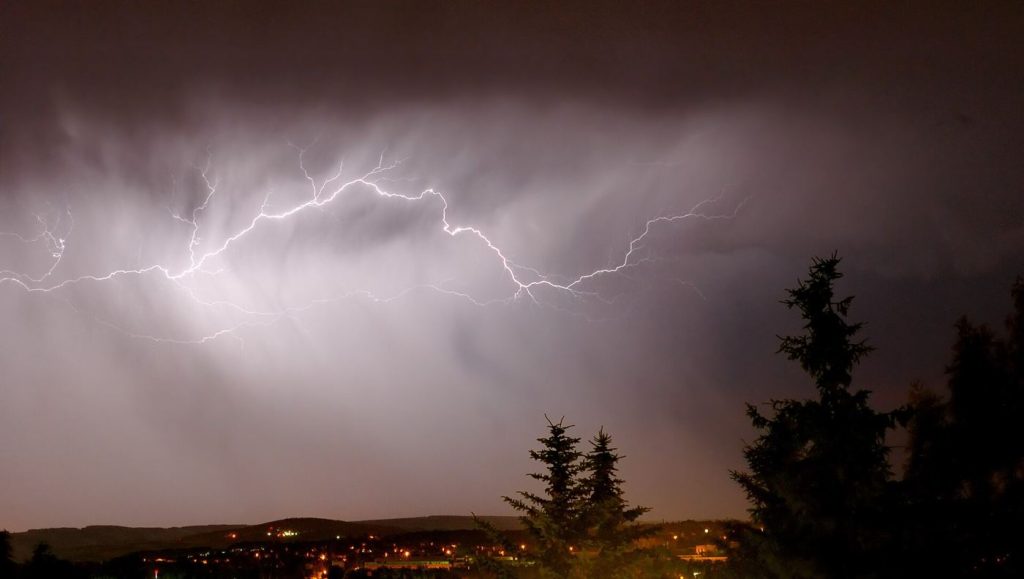
Climate change could make lightning 76 to 140 percent more common by the end of the century than between 1995 and 2014, according to new research published in the journal Earth’s Future and reported on 27 November 2026. The study, led by Andreas Krause, an Earth system scientist at the Technical University of Munich, projects roughly 30 percent more lightning per degree of global warming. The biggest increases are expected in the tropics, where lightning is already most common, especially in the Amazon, southeast Asia and Oceania. The figures far exceed previous estimates of 8 to 17 percent more lightning per degree of warming.
What the Evidence Shows
The higher estimate comes from a newer, more robust global lightning dataset and a different mathematical approach to projecting future strikes. Lightning matters because it can start wildfires, damage power grids and kill people, so a large increase would raise risks for forests, energy systems and communities in the tropics. The relative changes could be even larger at higher latitudes where lightning is currently rare: Alaska, for example, could see 116 to 594 percent more ground-striking lightning. The study is a reminder that warming changes not just temperatures, but the violence of the weather itself. The researchers warned that forests, power grids and communities in the tropics face the greatest added risk. Reporting and analysis from sources such as NASA track the same developments, and specialists following the climate lightning increase study say the direction is now consistent across independent lines of evidence.
The Wider Context
Funding bodies are watching the climate lightning increase study closely because the work sits at the junction of basic curiosity and practical return. Grant panels increasingly ask for a path from discovery to application, while researchers push back that the most valuable uses of fundamental science are rarely the ones written into the original proposal. The tension is productive when both sides stay honest about timescales.
What Happens Next
The long view on the climate lightning increase study is that fields advance by accumulation rather than by single announcements. This result adds a solid, checkable piece to a structure many teams are building, and its authors have shared their data so the piece can be tested from every side. That is how the picture eventually becomes reliable enough to act on. You can follow related developments in our coverage of science.
It is also worth remembering how quickly the picture in this area has changed before. Positions that looked settled a few years ago have been revised as new data arrived, and the same humility is appropriate now. The strongest coverage of this subject, and the most useful advice, tends to come from sources that update their views openly when the facts move, rather than defending an earlier position long after it has stopped fitting the evidence available.
