
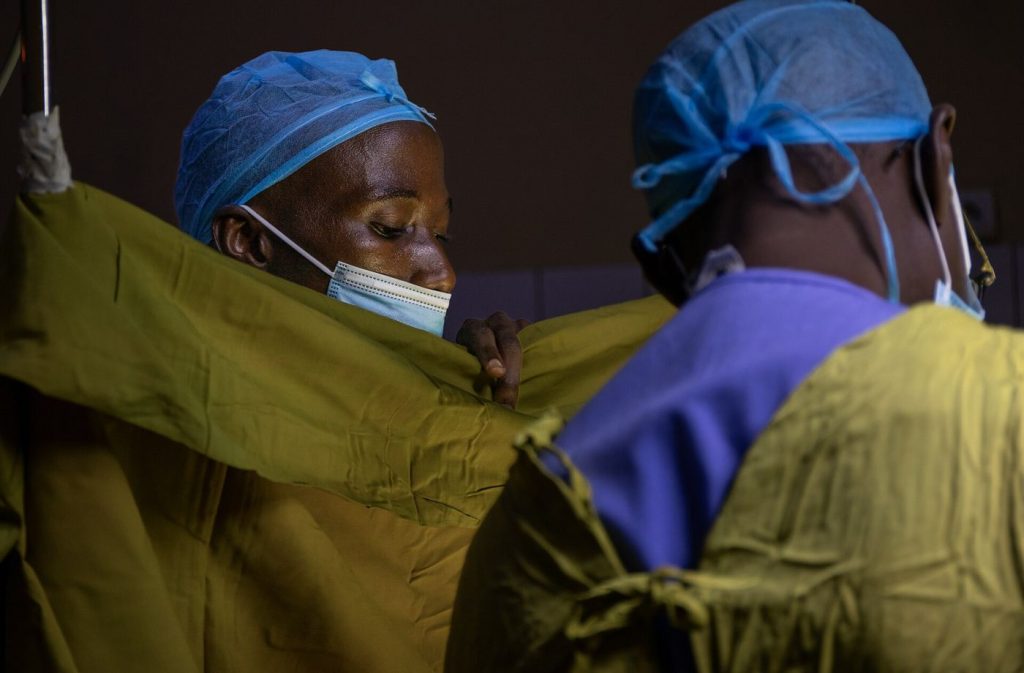
A 58-year-old woman from New Hampshire has become the first person known to live for a full year with a kidney from a gene-edited pig, reaching the milestone on November 22, 2026. Molly Falco received the organ at Massachusetts General Hospital in Boston on November 22, 2025, and doctors at Mass General Brigham say it continues to filter waste from her blood, make urine and keep her fluid and mineral levels in balance. She has named the kidney Lily, after flowers relatives sent following the surgery. The milestone passes the previous record of 271 days, set by Tim Andrews, another patient at the same hospital whose pig kidney was removed in October 2025.
What the Evidence Shows
Falco was the fourth patient to receive a pig kidney at Mass General, and the sixth patient overall there to receive an organ developed by the Cambridge biotechnology company eGenesis, whose kidney, EGEN-2784, she carries. She was born with kidney damage from a congenital condition and had been on dialysis before the transplant; she has not needed hospital admission since February 2026. A formal clinical trial of eGenesis pig kidneys is due to begin in January, and on November 20 surgeons at NYU Langone Health transplanted the first kidney in a separate trial run by United Therapeutics. Experts caution the organs remain experimental, but say the one-year mark shows they can work durably, not just in the first weeks. Reporting and analysis from sources such as World Health Organization track the same developments, and specialists following pig kidney transplant one-year milestone say the direction is now consistent across independent lines of evidence.
The Wider Context
The wider context is a health system trying to move from treating illness late to preventing it early, against budgets that reward the opposite. Evidence around pig kidney transplant one-year milestone is being weighed by guideline committees that ask two questions in order: does it work, and can ordinary services actually deliver it at scale. Many good ideas pass the first test and stall on the second.
What Happens Next
What happens next for pig kidney transplant one-year milestone depends on the slow machinery of guidelines, funding and training catching up with the evidence. Patients asking about it today should expect honest answers that include uncertainty, and clinicians say a service that explains what is not yet known earns more trust than one that oversells. The research pipeline, at least, is moving in the right direction. You can follow related developments in our coverage of health.
There is a practical lesson in all of this for readers deciding what to do today. Start with the verified facts, be wary of anyone promising certainty, and prefer reversible steps while the evidence is still developing. Circumstances differ by country, income and personal situation, so general guidance should always be weighed against your own context before you act on it in any significant or lasting way.
