
No two rooms ask the same things of a carpet. The floor in a hallway survives wet shoes, school bags, and constant passing traffic, while a bedroom carpet mostly meets bare feet and should feel soft and calm. Treating the whole home as one decision leads to compromises everywhere. It is far better to choose a Dubai carpet room by room, matching pile, fibre, and colour to the way each space is actually used. This room by room guide shows what to prioritise in every part of the house, and where you can safely save money without regretting it later.
Hallways, Entrances, and Stairs
These are the hardest working floors in any home. Grit carried in from outside acts like sandpaper on fibres, so choose a short, dense twist or loop pile that releases dirt easily and does not show footprints. A mid tone flecked design hides the inevitable marks between cleans. On stairs, durability matters more than softness: a tight twist pile with a strong backing keeps its shape on the stair nosing, the point where wear shows first. Avoid very pale colours here no matter how good they look in a sample book, and fit a good entrance mat to catch dust before it reaches the carpet.
Because hallways and stairs are narrow, they are also the cheapest areas to upgrade. Spending a little more per square metre here buys a noticeably longer life, while the total cost stays modest because the area is small. If the budget is tight, this is the last place to economise.
Living Rooms: Comfort With a Safety Margin
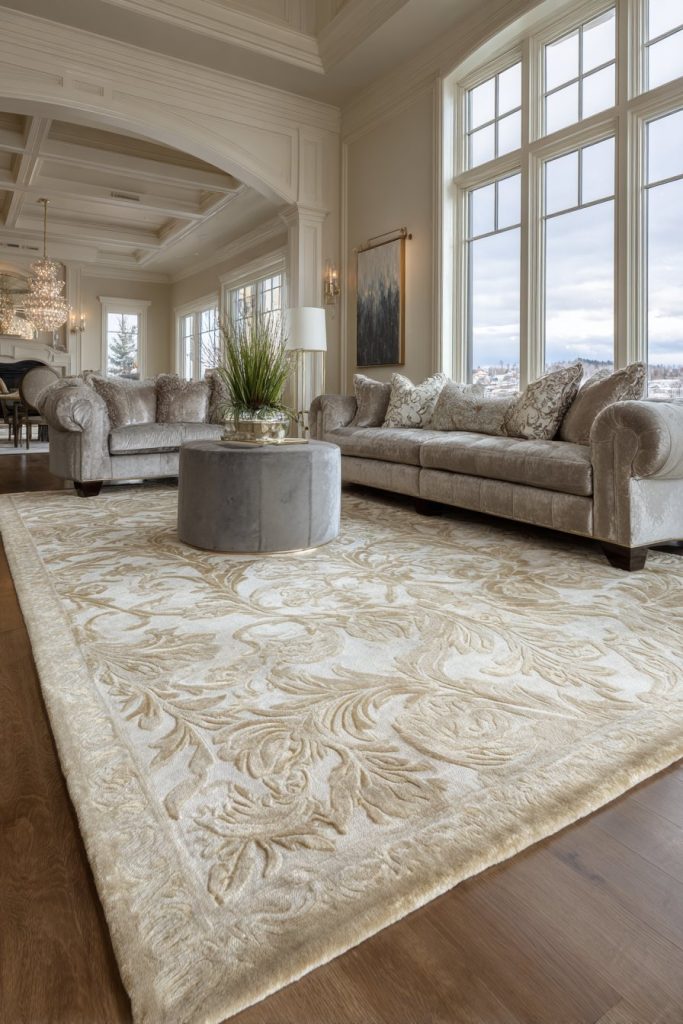
The living room is where a carpet earns its keep socially. It should feel welcoming, absorb sound so conversation and television stay comfortable, and cope with the occasional spilled drink. A twist pile in wool or a wool blend gives a good balance of softness and resilience. If the room hosts children and pets most days, a high quality nylon twist is the safer bet, since it cleans up well and resists flattening where sofas concentrate weight. Choose a colour one shade deeper than your first instinct; living rooms get more light than you expect, and slightly deeper tones hide everyday life far better.
Think about furniture movement too. Heavy sofas leave dents in any carpet, but a denser pile recovers better when you rotate the layout. Felt pads under legs spread the load and make rearranging easier, and a rug over the main seating zone can protect the centre of the room while adding a layered look.
Bedrooms: Softness First
Bedrooms are the one place where luxury can come first. Traffic is light, shoes are usually left at the door, and the main job of the carpet is to feel wonderful first thing in the morning. A deeper cut pile or a plush Saxony works beautifully here, and this is the room where a paler, calmer colour makes sense because it supports rest and shows little dirt in practice. If you want one Dubai carpet style to run through all the bedrooms for a joined up look, pick a soft twist in a neutral tone and vary the mood with bedding and curtains instead.
Underlay deserves special attention in bedrooms. A thick, high quality underlay under a mid range carpet often feels more luxurious than an expensive carpet over thin underlay, and it also improves sound insulation between floors, which matters in apartments and townhouses. Guest bedrooms are the natural place to save: a good polyester carpet will look fresh for years because it is barely walked on.
Dining Rooms, Home Offices, and Kids' Rooms
Dining rooms need a carpet that lets chairs slide without fighting back, so keep the pile short and firm. Spills are a matter of when, not if, so stain resistance and easy cleaning outrank softness. In a home office, the rolling chair is the enemy: a low, dense pile or a chair mat protects the surface, and loop constructions can catch on castors, so a short cut pile is usually safer. For children's rooms, pick a synthetic carpet that tolerates paint, juice, and play dough, in a cheerful mid tone that does not show every mark. When in doubt in any of these rooms, bring samples home, spill a little water and tea on them, and see which one cleans up without a trace before you commit.
Bringing the Whole Home Together
Choosing room by room does not mean the home should feel disconnected. A simple trick is to keep one thread running through the plan: either the same colour family in different piles, or the same carpet in the low traffic rooms with tougher relatives in the busy ones. Many ranges offer the same colour in several constructions precisely for this purpose, so the hallway twist and the bedroom plush can match in tone while behaving differently underfoot. Order samples of every candidate, lay them side by side in the doorway between two rooms, and check them morning and evening. If the transition looks calm and deliberate, the plan works, and each room still gets the performance it needs.
