
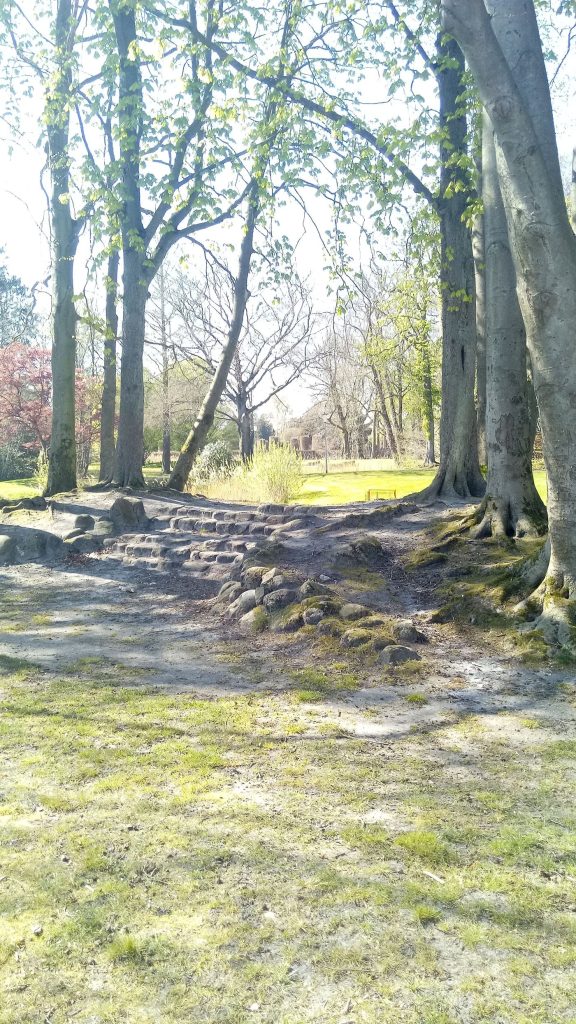
City parks do far more than provide a pleasant place to walk: researchers have found that a well-designed park can cool its surrounding streets, clean the air and give residents a daily dose of nature that improves mood and lowers stress. The cooling effect comes from the trees and grass, which shade the ground and release moisture into the air, and studies show the benefit extends well beyond the park’s boundaries into neighbouring streets. Health researchers have linked regular park visits to lower blood pressure, better sleep and reduced anxiety, and doctors in some countries now prescribe time in green spaces as part of treatment for stress and low mood. Urban planners say the evidence is shifting how parks are valued, from decorative extras to essential infrastructure that pays for itself through healthier residents and lower cooling costs for nearby buildings. The research adds to a growing body of evidence that green space is not a luxury for cities but a practical investment in public health.
What the Evidence Shows
The challenge is that parks are unevenly distributed, with wealthier districts often enjoying large, well-maintained green spaces while poorer areas have few or none. Community groups are campaigning to close that gap, arguing that access to green space should not depend on postcode. Design matters too: parks with winding paths, seating, water features and varied planting attract far more visitors than flat lawns with a few trees. Maintenance is the perennial problem, since a neglected park quickly becomes a place people avoid, and many cities are turning to community volunteers and friends-of-the-park groups to help with upkeep. Researchers say the investment is worth it: a park that people actually use is one of the cheapest health interventions a city can make. Local councils say well-used parks also strengthen neighbourhoods, giving residents a shared place to meet and a reason to look out for one another. Reporting and analysis from sources such as NASA track the same developments, and specialists following the cooling city park say the direction is now consistent across independent lines of evidence.
The Wider Context
Funding bodies are watching the cooling city park closely because the work sits at the junction of basic curiosity and practical return. Grant panels increasingly ask for a path from discovery to application, while researchers push back that the most valuable uses of fundamental science are rarely the ones written into the original proposal. The tension is productive when both sides stay honest about timescales.
What Happens Next
The long view on the cooling city park is that fields advance by accumulation rather than by single announcements. This result adds a solid, checkable piece to a structure many teams are building, and its authors have shared their data so the piece can be tested from every side. That is how the picture eventually becomes reliable enough to act on. You can follow related developments in our coverage of science.
It is also worth remembering how quickly the picture in this area has changed before. Positions that looked settled a few years ago have been revised as new data arrived, and the same humility is appropriate now. The strongest coverage of this subject, and the most useful advice, tends to come from sources that update their views openly when the facts move, rather than defending an earlier position long after it has stopped fitting the evidence available.
