
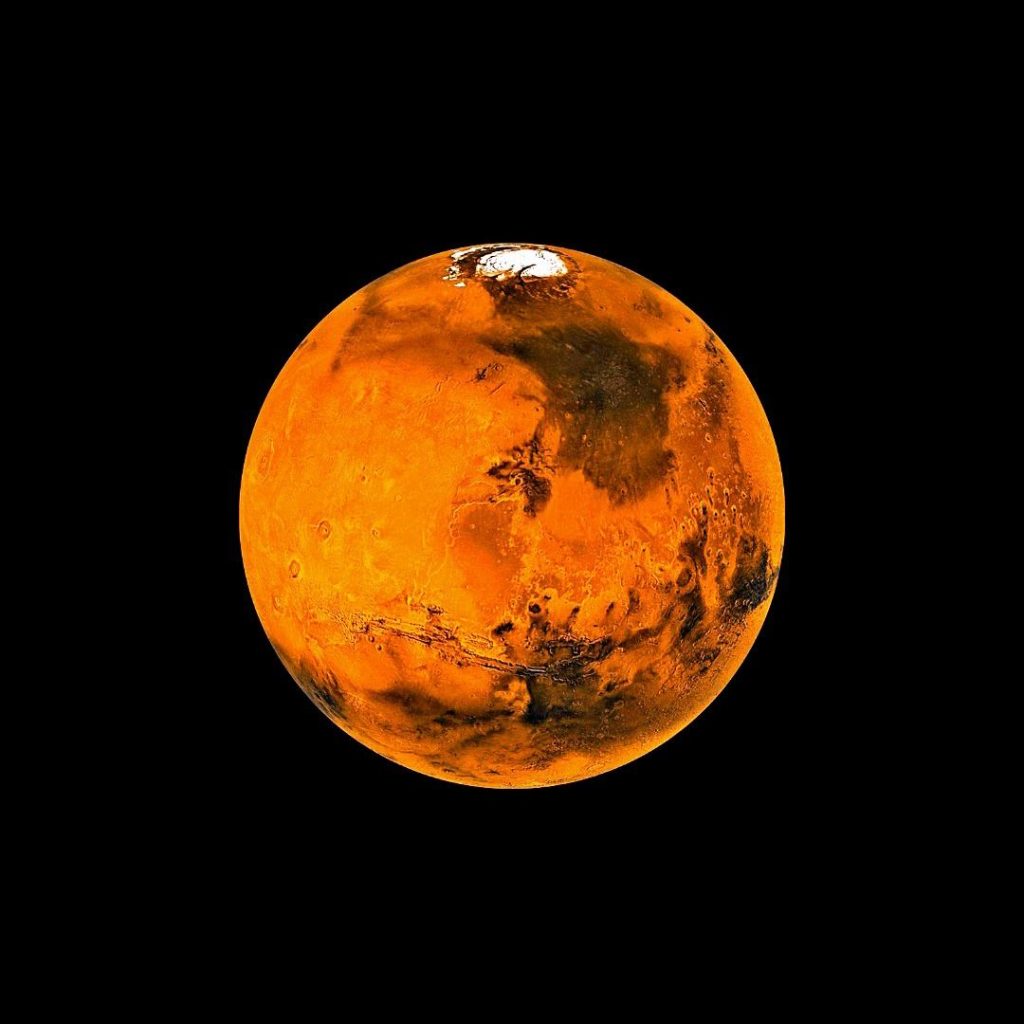
Dust storms on Mars range from local swirls to planet-encircling events that can dim sunlight for weeks, and understanding them is essential for any spacecraft that depends on solar power or precise landing conditions. By combining years of orbiter images, weather station readings from landers and atmospheric models, planetary scientists have identified recurring patterns in how large storms form, spread and fade in particular seasons and regions. Many major storms begin in a handful of known source areas, where winds lift dust that then heats the atmosphere, strengthens circulation and lifts still more dust in a self-reinforcing cycle. Recognising the early stages of that cycle gives forecasters a chance, however imperfect, to anticipate whether a modest storm will die away or grow into a regional event. For mission controllers, even a few days of warning can protect a lander: instruments can be secured, power budgets adjusted and critical operations rescheduled until clearer skies and calmer conditions return to the surface below.
What the Evidence Shows
The new pattern analysis also helps explain puzzling differences between Mars years, when similar seasonal conditions sometimes produce a global storm and sometimes do not. Researchers believe the amount of dust left exposed by previous storms, and subtle variations in atmospheric circulation, tip the balance. Robotic explorers benefit immediately from this work, because landing windows and surface operations can be planned around statistically safer periods, while orbiters adjust their own observations to track storm development. Looking further ahead, designers of human missions treat dust forecasting as a safety system on par with radiation monitoring, since a crew relying on solar arrays and surface vehicles would be vulnerable to a prolonged dimming of the sky. Laboratory experiments with Mars-like dust in low-pressure wind tunnels are refining the models further. Step by step, the Martian weather, once regarded as essentially chaotic and unknowable, is becoming a forecastable part of mission planning rather than a surprise to be endured. Reporting and analysis from sources such as NASA track the same developments, and specialists following the predictable Mars dust storm pattern say the direction is now consistent across independent lines of evidence.
The Wider Context
Funding bodies are watching the predictable Mars dust storm pattern closely because the work sits at the junction of basic curiosity and practical return. Grant panels increasingly ask for a path from discovery to application, while researchers push back that the most valuable uses of fundamental science are rarely the ones written into the original proposal. The tension is productive when both sides stay honest about timescales.
What Happens Next
The long view on the predictable Mars dust storm pattern is that fields advance by accumulation rather than by single announcements. This result adds a solid, checkable piece to a structure many teams are building, and its authors have shared their data so the piece can be tested from every side. That is how the picture eventually becomes reliable enough to act on. You can follow related developments in our coverage of science.
It is also worth remembering how quickly the picture in this area has changed before. Positions that looked settled a few years ago have been revised as new data arrived, and the same humility is appropriate now. The strongest coverage of this subject, and the most useful advice, tends to come from sources that update their views openly when the facts move, rather than defending an earlier position long after it has stopped fitting the evidence available.
